Selecting the right safety sign is a critical task in maintaining a secure work environment, and several key factors must be considered in this process. OSHA and ANSI regulations mandate that signage effectively communicates and defines specific hazards that pose a risk of injury or even death if left unidentified. One crucial aspect to contemplate is the safety sign header, which specifies the degree of hazard applicable to your situation. Different headers cater to distinct hazard levels, ensuring a clear and accurate indication of potential dangers. Explore the nuances of Danger, Warning, Caution, Notice, and Safety First signs, each serving a unique purpose in conveying the severity of potential hazards. Whether it's an immediate danger with a high probability of severe consequences or a cautionary note about a potentially hazardous situation, understanding the distinctions in safety signage headers is essential for creating a safe and informed workplace.
OSHA and ANSI require signage to clearly indicate and define specific hazards that could cause injury or death if not identified. Choose a header which specifies the degree of hazard in your application.
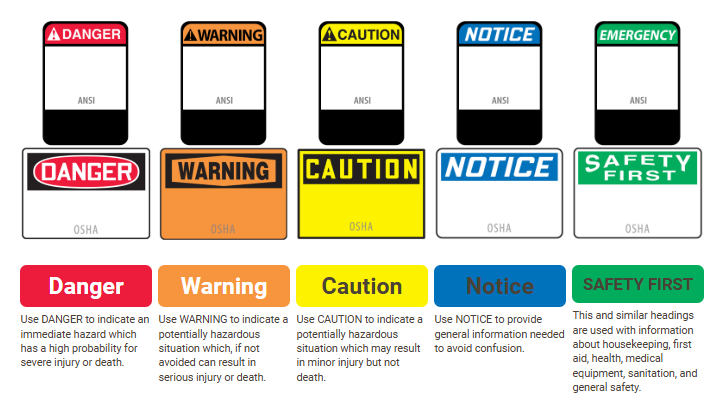
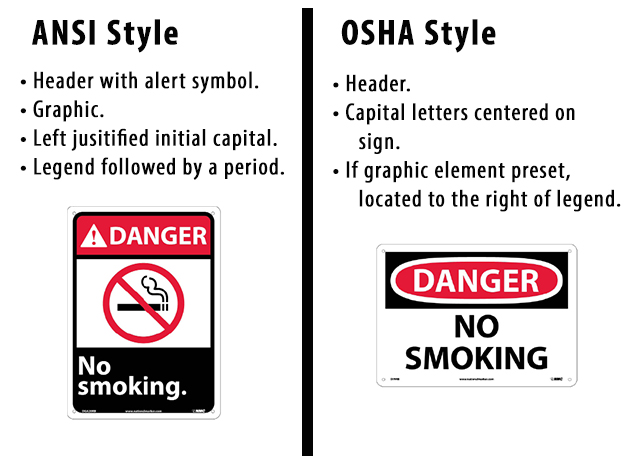
ANSI signage is more complex with a graphic and description while OSHA signage is simpler.
Information provided by AccuformNMC.

September 28, 2026
Uncontained hair remains one of the most frequent physical contaminants in food processing environments,...

September 23, 2026
Keeping your facility's Clean-in-Place (CIP) operations running smoothly is critical — especially when o...

September 23, 2026
For years, the food manufacturing and dairy processing industries have relied on "reactive control". In ...