Tank cleaning technology has advanced as improvements to hygienic standards have changed. As that change has taken place, priority has been placed on cleanliness of equipment and storage tanks, which helps to ensure quality in food products.
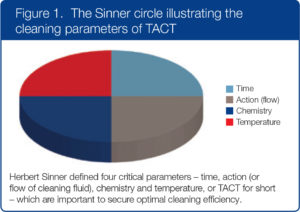 Many organizations such as 3-A have developed standards across the food industry specific to cleaning of a tank. Coupled with hygiene is the added task of reducing chemical and water usage. A common acronym that is used with tank cleaning methodologies is TACT which stands for Time, Action, Chemistry and Temperature (see figure 1.) New technology harnesses the time and action portions of the acronym and are displayed in the chart commonly referred to as the sinner circle.
Some of the new technologies include:
Static Spray Balls - Gently sprays cleaning fluid onto the tank walls, enabling the fluid to fall freely down the tank wall and provide uneven cleaning coverage.
Rotary Spray Heads - Has a higher impact force and higher wall shear stress compared to the static spray ball. This reduces cleaning time.
Rotary Jet Heads - By far the most effective tank cleaning technology available today.
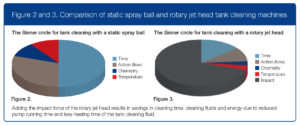
Rotary Spray and Jet Heads can provide all the benefits of a static spray ball, but they can also help decrease water usage (see figure 2 and 3.)
For your reference, we have several videos on our YouTube channel that can explain this technology further.
October 23, 2026
Food manufacturing washdown environments put heavy demands on sanitation equipment. Unlike disposable cl...
October 21, 2026
Line contamination and product recalls carry massive financial and reputational risks. Aseptic sampling ...
October 21, 2026
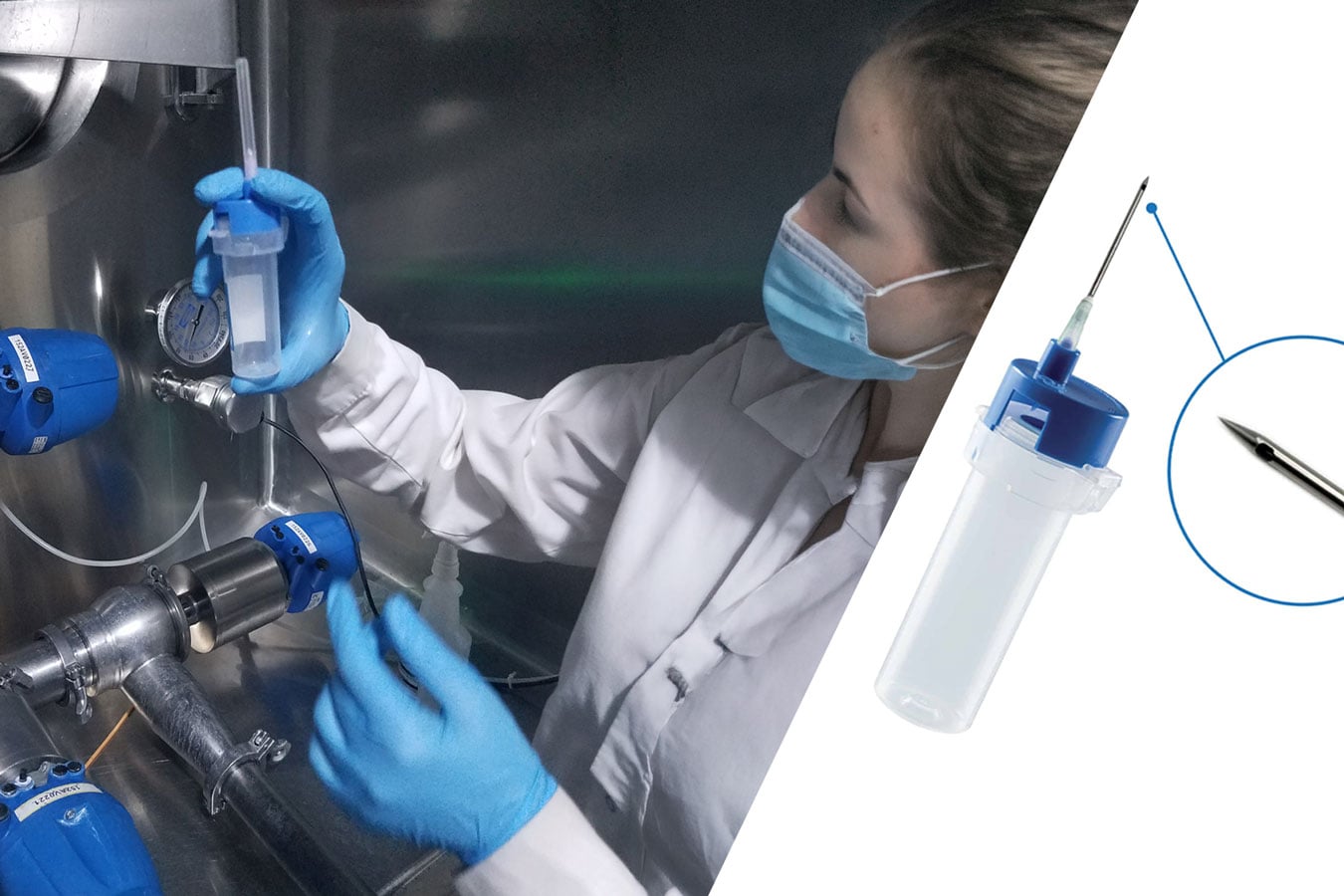
Drawing samples from thick or heavy liquids often causes needle clogs, slow sample draws, and incomplete...